

Mechanical Product Testing
Taking Apart the Puzzle
With today’s faster and more automated manufacturing methods designed to get products to market faster, quality control can go by the wayside. Understanding how products and components are fabricated and mass-produced is critical to understanding the potential modes of failure. YA Group’s product liability testing team is experienced in evaluating conditions related to safety and usage, performance, durability, and compliance with various regulatory bodies and industry standards. Whether testing new products about to go to market or testing products that are in use and have experienced some type of failure, our goal is to understand why and how products fail, and ultimately, to provide assurance that the products you use, sell, or buy are safe and can be trusted.
Why it Matters
Whether it be a faulty coffee machine that overheats the liquid, airbags that don’t deploy, a faulty valve on a washing machine, or warning labels that don’t identify issues properly; nobody wants to hear that a media site is reporting issues with their product. From the manufacturing side, it is critical to understand why a product isn’t safe and what is the quickest remedy. From the consumer’s side, there could be a wide distribution of a defective product that could impact a large group of individuals. Regardless of which side of the defective product our client represents, it is imperative to have the right expert who can analyze and opine on the root cause of the matter.

Client Experience
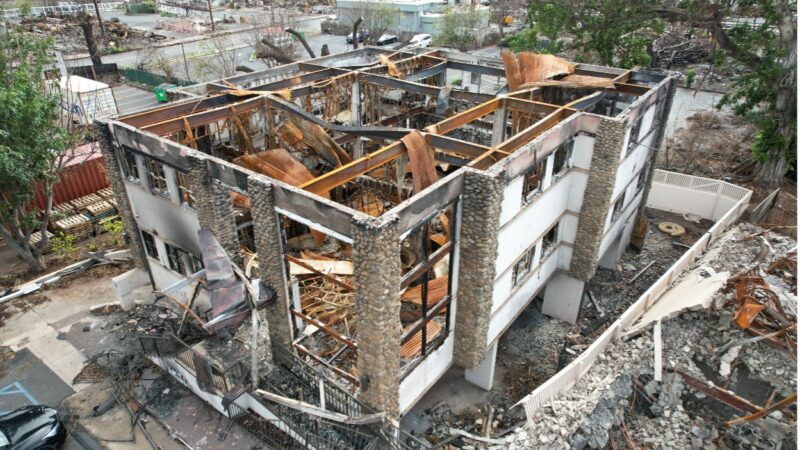
Fire Damage Assessment of Concrete Components After the Lahaina Fire
Learn how YA Group used fire damage assessment, concrete testing, and petrographic analysis to evalu...
See More

Portable Space Heater Thermostat Testing for Product Liability Investigations
Learn how YA Group's environmental testing verifies space heater thermostat performance for product ...
See More
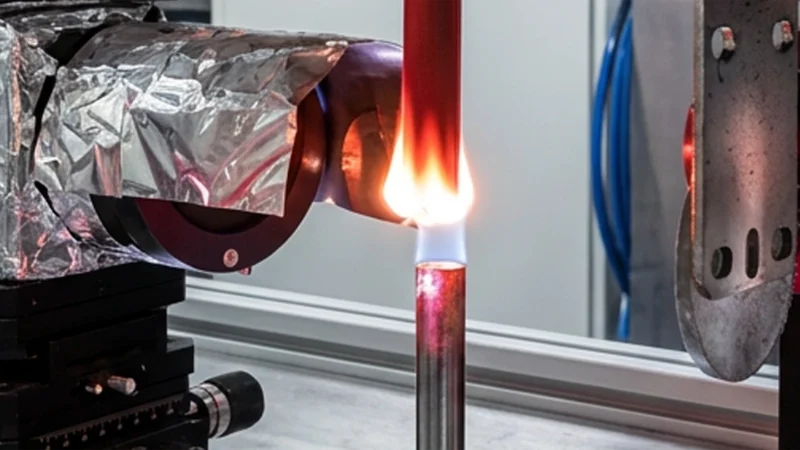
UL 94 Flammability Testing for Plastic Component Compliance
Learn how YA Group's independent UL 94 flammability testing verifies plastic material compliance and...
See More
Fire Damage Assessment of Concrete Components After the Lahaina Fire
Learn how YA Group used fire damage assessment, concrete testing, and petrographic analysis to evalu...
See More
Portable Space Heater Thermostat Testing for Product Liability Investigations
Learn how YA Group's environmental testing verifies space heater thermostat performance for product ...
See More
UL 94 Flammability Testing for Plastic Component Compliance
Learn how YA Group's independent UL 94 flammability testing verifies plastic material compliance and...
See More
Latest Insights
June 30, 2026
|
1 min read

Hurricane Preparedness and Risk Mitigation Strategies
Hurricane activity remains a significant source of property risk across many regions of the United States. In this article, YA Group explores practical strategies for hurricane preparedness, risk mitigation, and disaster recovery to help organizations strengthen resilience before, during, and after ...
Navigating Construction Defects: Lessons from a High-Stakes Case
In today’s construction landscape, disputes over defects can quickly escalate into multi-million-dollar claims, putting ...
10 Reasons to Enforce a High Standard of Schedule Quality
High-quality construction schedules can save millions by ensuring credible delay analysis and robust project planning. F...
Hurricane Preparedness and Risk Mitigation Strategies
June 30, 2026
|
1 min read
Hurricane activity remains a significant source of property risk across many regions of the United States. In this ar...
Navigating Construction Defects: Lessons from a High-Stakes Case
February 4, 2026
|
1 min read
In today’s construction landscape, disputes over defects can quickly escalate into multi-million-dollar claims, putti...
10 Reasons to Enforce a High Standard of Schedule Quality
February 4, 2026
|
1 min read
High-quality construction schedules can save millions by ensuring credible delay analysis and robust project planning...