Wade Wilson
Vice President, Accident Reconstruction & Biomechanics
(770) 940-0946

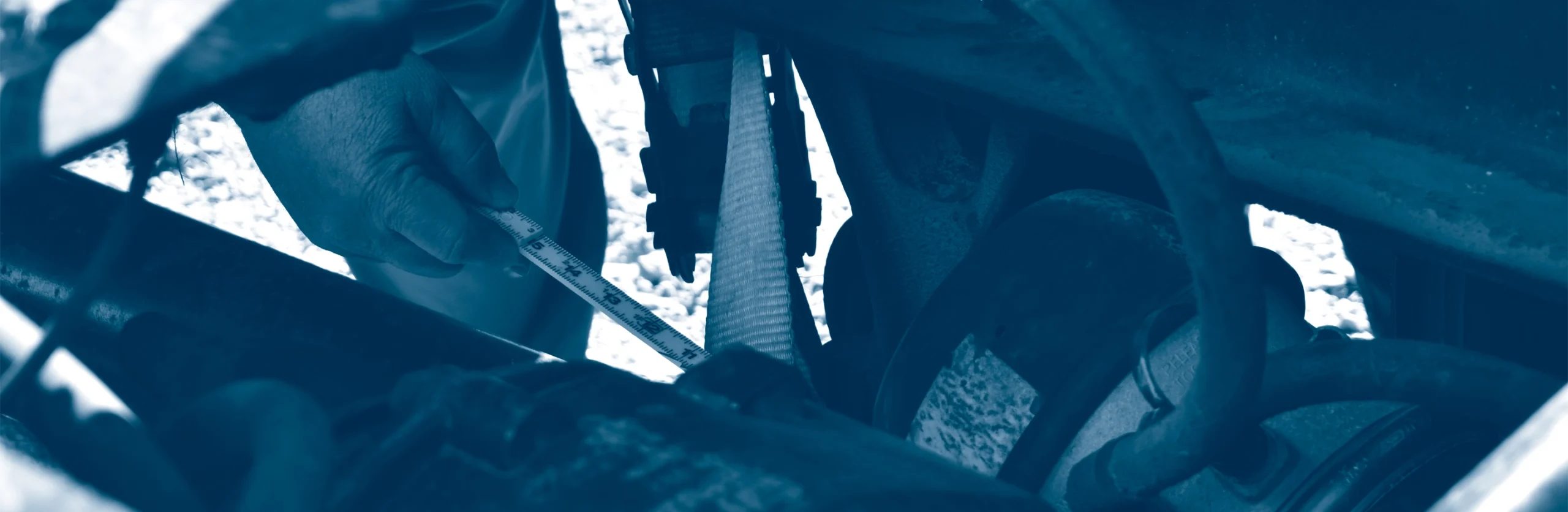
Forensic biomechanics involves the application of physics and biology to analyze human body responses to applied external forces to understand injury causation. A key aspect of forensic biomechanics related to vehicular occupant injury claims is the study of human occupant kinematics within a vehicle during an accident and analyzing forces applied to the occupant via interaction with the structure of the vehicle. Occupant reaction testing involves physical testing and simulations to replicate occupant movement and safety system performance in a given crash scenario using exemplar models, advanced tools and software to evaluate the likelihood of injury.
Once testing and analysis of occupant reaction testing is completed, our experts provide clear, scientifically grounded opinions including full descriptions of the methods implemented as well as the scientific underpinnings and supporting research. Our final reports and accompanying aids support attorneys, insurers and claims professionals in distinguishing fact from speculation.
