
Vehicle Design and Defect Analysis
Integrated Automotive Engineering Expertise for Product Liability Litigation
YA Group’s experienced engineers apply a unique and diverse set of competencies in an integrated approach to automotive engineering, vehicle design analysis, and vehicle defect claim analysis for automotive product liability investigation.
Our engineers evaluate the design and operation of the vehicle system at issue and explain how the system is intended to function. Defect claims are evaluated against the system design, intended performance, and available evidence to determine whether an alleged condition existed and whether it may have caused or contributed to the incident. We support clients from early case evaluation through expert reports and trial testimony.
Vehicle System Design Analysis
Our engineers analyze the design of the vehicle control system at issue and explain how the system is intended to function.
Vehicle Dynamics and Controls
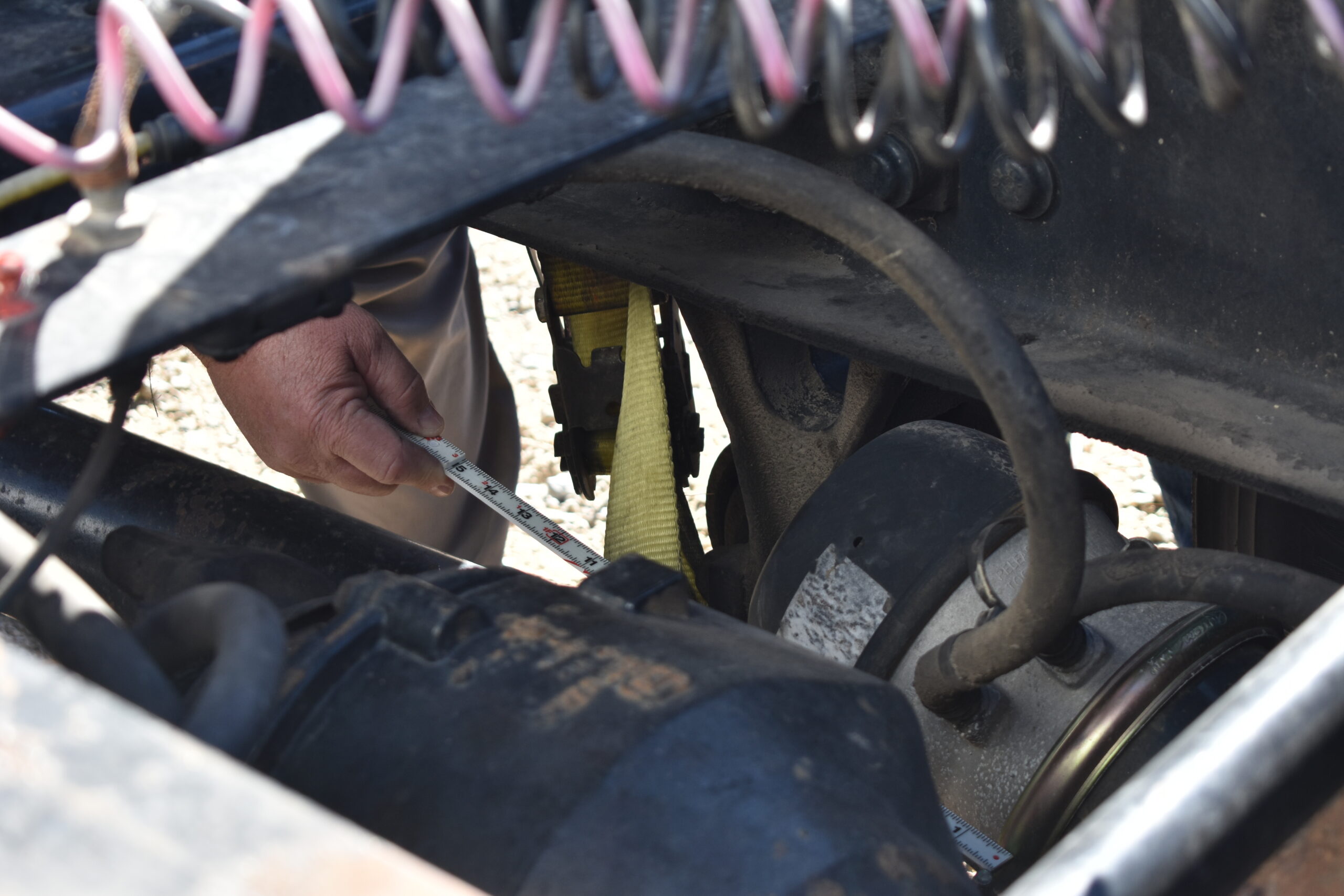
Braking systems including FMVSS braking performance, Antilock Brake Systems (ABS); Electronic Stability Control (ESC); traction control; steering systems; chassis and suspension structures; tire and wheel systems; vehicle handling and stability; center of gravity measurement; rollover resistance evaluation.
Occupant Protection – Supplemental Restraint Systems – Electrical
Examination of Supplemental Restraint System (SRS) sensor, airbag – restraint inflators and airbag control unit as independent electronic and electro-mechanical components and integrated as an electronic control system. Investigation of the SRS both from external component and internal from the algorithm and software perspectives where necessary.
Advanced Driver Assistance Systems
Advanced Driver Assistance Systems (ADAS) assist the driver with various driving tasks. These systems include, but are not limited to, Blind-Spot Monitoring (BSM), Adaptive Cruise Control (ACC), Forward Collision Warning (FCW), Automatic Emergency Braking (AEB), Pedestrian- Automatic Emergency Braking, and Driver Monitoring technologies.
Powertrain and Transmission
Traditional Internal Combustion Engine (ICE) and drivetrain controls; including Electronic Throttle Control (ETC); transmission and electronic shift control designs. Powertrain and transmission control analysis addresses functionality, performance and development method topics.
Electrification PHEV and EV Battery Systems
Plug-In Hybrid Electric Vehicles (PHEV) and Electric Vehicles have electrical architectures that include both low-voltage and high-voltage systems. PHEV and EV battery system analysis involves identifying high-voltage system architecture components, including battery pack modules and cells, battery management systems, charging systems, hybrid powertrain integration, and assessing potential causation for vehicle crash thermal events.
Vehicle Communication Networks
The collection of Electronic Control Units installed throughout modern day motor vehicles exchange signal and control information through a series of communication networks. Analysis requires understanding vehicle controller architectures, the communication protocols or rules used to transmit and receive data between the various controllers and knowledge of various communication strategies.
Electronic Controller Design
Certain investigations require analysis of an Electronic Control Unit or module (ECU/ECM) from an internal design perspective. ECUs include hardware and software components such as microcontrollers, power circuits, sensing components, Application Specific Integrated Circuits (ASICs) and other devices. Both hardware and software may be evaluated as appropriate to the investigation.
Defect Claim Analysis and Investigation
There are a variety of automotive product liability defect claims involving vehicle systems that our engineers are retained to investigate and evaluate. Examples of claims YA engineers may investigate include:
Vehicle System Failure to Equip
Failure to equip claims can be made against any technology. These claims are most prevalent with emerging technologies that have not been adopted across all vehicles in a uniform manner. Analysis of the implicated system is performed in addition to conducting product surveys, take rate and state-of-the-art data.
Pedal Misapplication – Unintended Acceleration Responses
Claims are often made under the heading of ‘Unintended Acceleration.’ Published research has identified pedal misapplication as a potential explanation in some events. YA engineers evaluate the available physical, electronic, and testimonial evidence to determine what explanation the analysis supports.
Shifter Misapplication – Unintended Transmission Shift Responses
Similar to “Unintended Acceleration” claims, claims involving vehicle motion from a parked position involving injury are often investigated. These claims involve analysis of modern transmission and electronic shifter designs in addition to shift-to-park countermeasures implemented across various vehicles.
Occupant Protection – Airbag/Restraint Deployment
Occupant protection claims related to vehicle crashes centered around SRS or airbag claims generally fall into two categories: claims that the airbag and SRS components should have deployed during the crash but for some reason did not, and claims that an airbag deployed during a crash, but should not have deployed, or deployed in the manner that was observed. YA engineers evaluate these claims using accident reconstruction findings, available electronic and physical evidence, and SRS design analysis to determine whether the evidence supports the alleged deployment-related defect.
Alleged Electronic Controller Malfunction
Claims against the design and performance of any ECU central to a control system are common. Analysis for ECU malfunction claims involves highlighting the system design intent or specification, design, design limitation, functional safety and diagnostic designs. Consideration of the accident reconstruction and vehicle level performance is also considered.
Our Approach to Vehicle Design and Defect Analysis
Vehicle design and defect analysis begins with identifying the vehicle system and technical questions at issue and reviewing the available evidence, including relevant accident reconstruction findings when applicable. Our engineers evaluate the system’s design intent, functionality, limitations, diagnostics, functional-safety strategies, and other relevant countermeasures in relation to the specific allegations. Various tools and methods are applied as appropriate to the system and questions presented. Testing or vehicle-level demonstrations may be performed when useful to evaluate system performance under conditions relevant to the claim.
Latest Insights
February 4, 2026
|
1 min read

Understanding the Role of Biomechanics in Accident Reconstruction
Accident reconstruction isn’t just about vehicles and crash dynamics—it’s about understanding what happens to the human body during an impact. That’s where biomechanics comes in. In this article, YA Group explores how biomechanics help uncover the forces acting on occupants, determine injury likelih...
The Value of Advanced EDR Downloads
In the aftermath of a collision, facts matter. Understanding what happened in the moments leading up to an accident can ...
From the Field to the Courtroom: How post-accident brake inspections strengthen defensibility
When a collision occurs, brakes are one of the first components examined. A thorough post-accident brake inspection does...
Understanding the Role of Biomechanics in Accident Reconstruction
February 4, 2026
|
1 min read
Accident reconstruction isn’t just about vehicles and crash dynamics—it’s about understanding what happens to the hum...
The Value of Advanced EDR Downloads
February 4, 2026
|
1 min read
In the aftermath of a collision, facts matter. Understanding what happened in the moments leading up to an accident c...
From the Field to the Courtroom: How post-accident brake inspections strengthen defensibility
February 4, 2026
|
1 min read
When a collision occurs, brakes are one of the first components examined. A thorough post-accident brake inspection d...