


Hurricane Preparedness: A Proactive Approach to Risk, Response, and Recovery

1 min read
Share:
Client Type

Government

Insurance

Owners/Corporate

Client Type

Government

Insurance

Owners/Corporate

Hurricane activity remains a significant source of property risk across many regions of the United States. While seasonal forecasts may fluctuate from year to year, recent decades have demonstrated that a single storm can create substantial operational, financial, and property-related challenges. For insurers and risk professionals, effective hurricane preparedness is not simply about responding after a loss – it begins well before a storm forms.

Understanding Your Risk Before the Storm

Every property presents a unique hurricane risk profile. Geographic location, proximity to coastal areas, elevation, building age, construction type, and roof condition all influence how a structure may perform during severe weather. Wind exposure, flooding potential, and water intrusion vulnerabilities can vary considerably even among neighboring properties, making a clear understanding of these exposures an important component of storm preparedness planning.

The Value of a Baseline Assessment

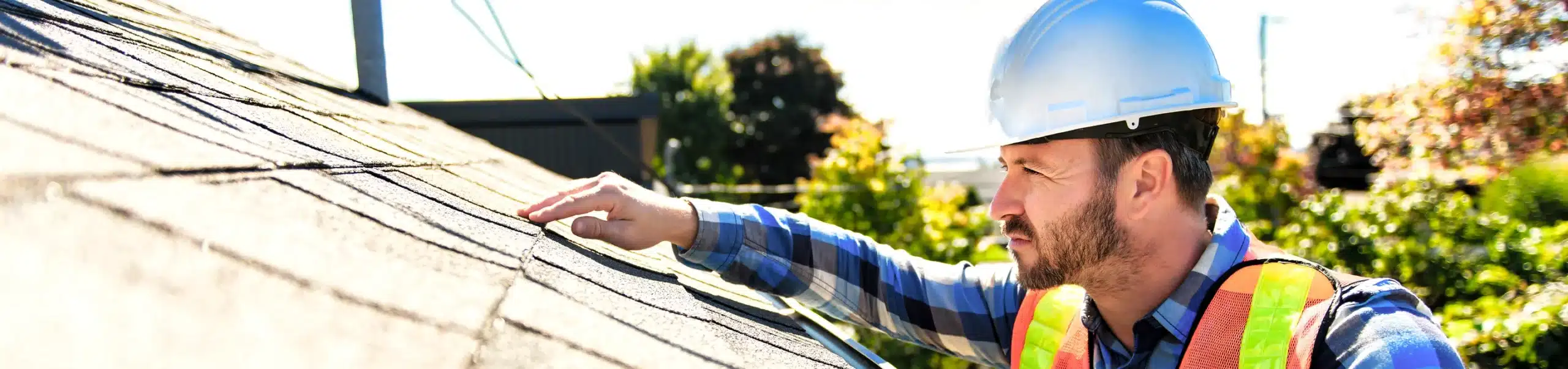
One of the most effective ways to evaluate storm risk and strengthen resilience is through pre-loss assessment and documentation. Establishing a baseline understanding of property conditions before hurricane season can help identify vulnerabilities that may contribute to increased damage during a storm. Thorough documentation of existing conditions, including photographs, videos, and property records, can also provide valuable context when evaluating damage after an event.

Strengthening Resilience Through Mitigation

Physical hurricane mitigation measures play an equally important role in reducing potential storm-related damage. The condition of a property’s building envelope – including roofing systems, windows, doors, and other exterior components – plays a significant role in how well a structure performs during high winds and heavy rainfall. Routine inspections, maintenance, and appropriate hardening measures can help reduce the likelihood of water intrusion and secondary damage. Additional considerations may include drainage systems, backup power capabilities, and other continuity-related factors that can influence a property’s ability to withstand and recover from a storm.

When Preparation Becomes Action

Preparation becomes increasingly important as a storm approaches. Industry best practices often emphasize a timeline-based approach, with property stakeholders reviewing response plans, securing vulnerable property components, and confirming vendor readiness before landfall. Simple, actionable plans are generally more effective than complex procedures that are difficult to execute under rapidly changing conditions.

The First Steps After Impact

Following a storm, safety and stabilization remain the immediate priorities. Once conditions allow, timely inspections and documentation can help establish the extent of damage and support informed decision-making regarding recovery efforts.

Preparedness as a Continuity Strategy

Hurricane preparedness should be viewed as a continuity strategy rather than a seasonal exercise. Organizations that understand their risks and address vulnerabilities before a storm are often better positioned to protect people, property, and operations when severe weather occurs.

From risk assessments and property valuations to pre-loss evaluations and post-event damage assessments, YA Group helps clients gain a clearer understanding of property conditions, potential exposures, and recovery considerations before and after significant weather events.