
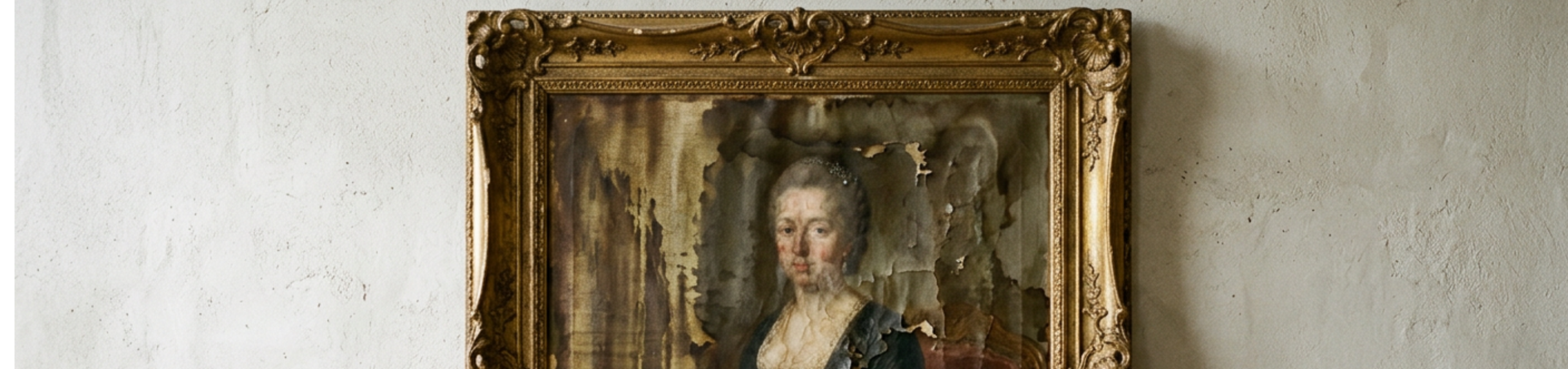

What is the process for fine art appraisal and valuation?
During an art appraisal, art appraisers and experts evaluate artwork through a systematic process that combines objective analysis, market research, and specialized connoisseurship to assess authenticity, condition, and value. The evaluation relies on several core pillars to establish both artistic merit and monetary value. Art authentication involves experts verifying that the artwork is genuinely by the attributed artist. This may include examining signatures, labels, and production methods. Provenance is the documented history of the artwork’s ownership. A clear, unbroken chain of custody, such as gallery receipts, exhibition history, and inclusion in an artist’s list of works, significantly enhances value and legitimacy. The physical state of the piece is critical. Appraisers inspect the artwork for damage, fading, tearing, craquelure, or past restoration work, often using tools like UV lights or magnifying lenses.
Laboratory testing can also be performed to date and analyze artwork when art authentication requires additional scientific analysis. Testing may include XRF Fluorescence Spectroscopy, digital microscopy, infrared analysis, carbon dating, FTIR, X-ray, and ultraviolet fluorescence. As an example, our laboratory staff include materials scientists and chemists who assist with data collection that is interpreted and analyzed alongside our forensic art experts.
In addition to authenticating, dating, and determining the physical state, experts analyze the intrinsic qualities of the physical object by determining what materials were used, such as oil, acrylic, watercolor, gouache, charcoal, and graphite. They also analyze whether the piece matches the technological capabilities of the era in which the piece was supposedly created and the technical merit and quality of the piece. They also look at how the piece fits into the artist’s overall body of work, whether it represents their peak period or a less desirable stylistic phase.
Once the artwork’s physical and historical traits are established, appraisers determine its value using established valuation approaches, such as the comparable sales method, where appraisers look at recent auction results and private sales data for similar works by the same artist, or calculating the value based on the items replacement value or fair market value. Values are adjusted for medium, size, subject matter, technical mastery and condition.
What is the process for restoring fine art after damage?
While YA does not specialize in the actual fine art restoration, our understanding of restoration techniques allows us to assess what will be needed to restore damaged artwork so that the cost of repair can be determined. We can also assist with understanding the chemical make-up and structural integrity of the work, which is needed first, before restoration can take place. To understand the chemical make-up and integrity of the work, one must rely on pre-damaged photographs, visual inspection, and non-destructive testing techniques. The use of ultraviolet light can be used to expose new layers of paint or glue which reveal hidden restorations. Infrared imaging can reveal the original underdrawings or modifications. X-ray analysis can expose deep structural damage, internal supports, or different paintings hidden beneath the canvas.
Once the integrity and make-up of the piece is determined, restoration specialists employ techniques based on the level and extent of damage. Strategies include cleaning, structural stabilization, filling and retouching, and adding a final protective coating. Dirt and grime can accumulate on a piece of art and old varnish can cause yellow discoloration. Conservators use custom-mixed, neutral organic soaps of aqueous solutions to gently lift surface dust and grease. Restorers use highly specific gelled solvents applied with tiny cotton swabs to dissolve and roll away old varnish layers without reacting with the underlying paint. Structural stabilization methods involve injecting conservation grade adhesives under paint that is flaking or lifting, then the paint is gently pressed flat. Torn canvases are mended fiber by fiber under a microscope using reversible adhesives. Sometimes a canvas is too brittle to repair, in which case a new fabric backing is bonded to the canvas. Once the piece is clean and structurally sound, the paint can be repaired by gesso filling and inpainting, where new paint is applied only to the areas of loss. Once the visual continuity is restored, the artwork is sprayed or brushed with a non-yellowing synthetic resin varnish.
The process of fine art restoration is unique and precise to each piece. Understanding a work’s condition, restoration needs, chemical makeup, and structural integrity makes it possible to scope the repair and determine its cost.