
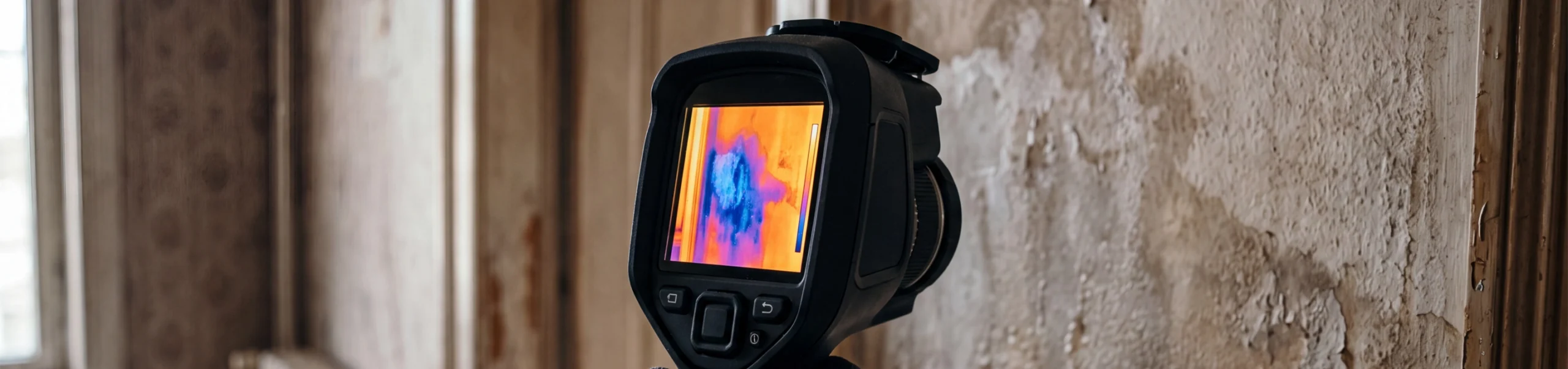

Moisture intrusion associated with stucco remains a common concern in multifamily residential construction, particularly in Florida’s humid climate. Determining the source of observed moisture intrusion conditions often requires a detailed building envelope evaluation of multiple building components and trades to establish whether the available evidence supports allegations of construction defects.
Challenge Overview
YA Group was retained to assist counsel with evaluating claims involving a Florida townhouse condominium where the homeowner’s association alleged defective framing work had contributed to moisture intrusion within the building envelope. Because the framing contractor was one of several trades involved in the original construction, the construction defect investigation required a comprehensive review of existing conditions, project documentation, and the interaction between multiple building systems.
The primary objective was not simply to confirm the presence of moisture intrusion, but to determine whether the evidence supported assigning responsibility to the framing contractor.
YA Group’s Area of Impact
YA Group conducted a detailed site inspection and reviewed project plans, construction documentation, and available records to evaluate the reported conditions. The forensic assessment confirmed moisture intrusion but also identified several potential contributing factors beyond the framing scope of work, including the stucco system, window installation, and known building wrap conditions.
The evaluation also considered the project’s construction history, including the acceptance of the framing work during construction and the passage of several years between project completion and the reported concerns. By assessing the property’s building envelope as a whole rather than focusing on a single trade, YA Group helped establish whether the available evidence supported the allegations.
YA Group’s technical analysis provided counsel and the insurance carrier with an objective understanding of the observed conditions and their likely contributing factors. The findings supported informed negotiations and helped resolve the construction defect claim with only a nominal contribution from the framing contractor, demonstrating the value of comprehensive forensic evaluations when multiple building systems and trades are involved.