

We use cookies on this site to enhance your experience. By navigating to this website you agree to our Privacy Policy and Terms of Use.

Subsurface Contamination
Subsurface Soil and Groundwater Contamination Assessments
YA Group conducts subsurface soil and groundwater contamination assessments to provide a clear picture of the contamination type and extent of contamination. Property owners, regulatory agencies, and insurance claim managers often require these investigations to confirm whether site contamination has occurred. They are an important first step in determining the nature and extent of the contamination prior to planning and completing effective site remediation.
Proven Process Meets Actionable Insights for Safer Spaces
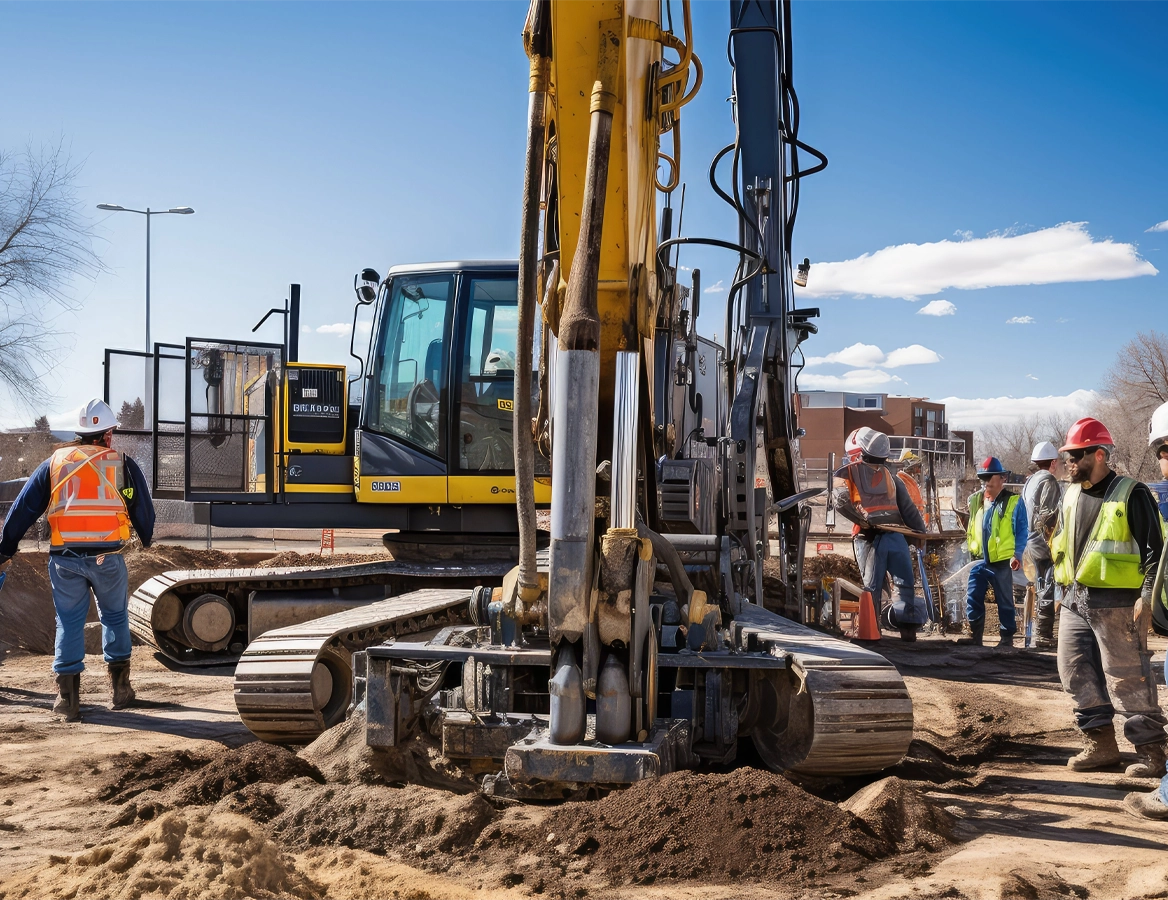
Our subsurface investigations begin with site access and an initial site visit to assess conditions and coordinate any required utility notifications. Equipment is then mobilized, the drill rig positioned, and soil borings installed at representative locations using a soil core sampler advanced to the target depth. Disposable sample liners are retrieved, and slotted PVC well screens may be placed in open boreholes to facilitate groundwater sampling.
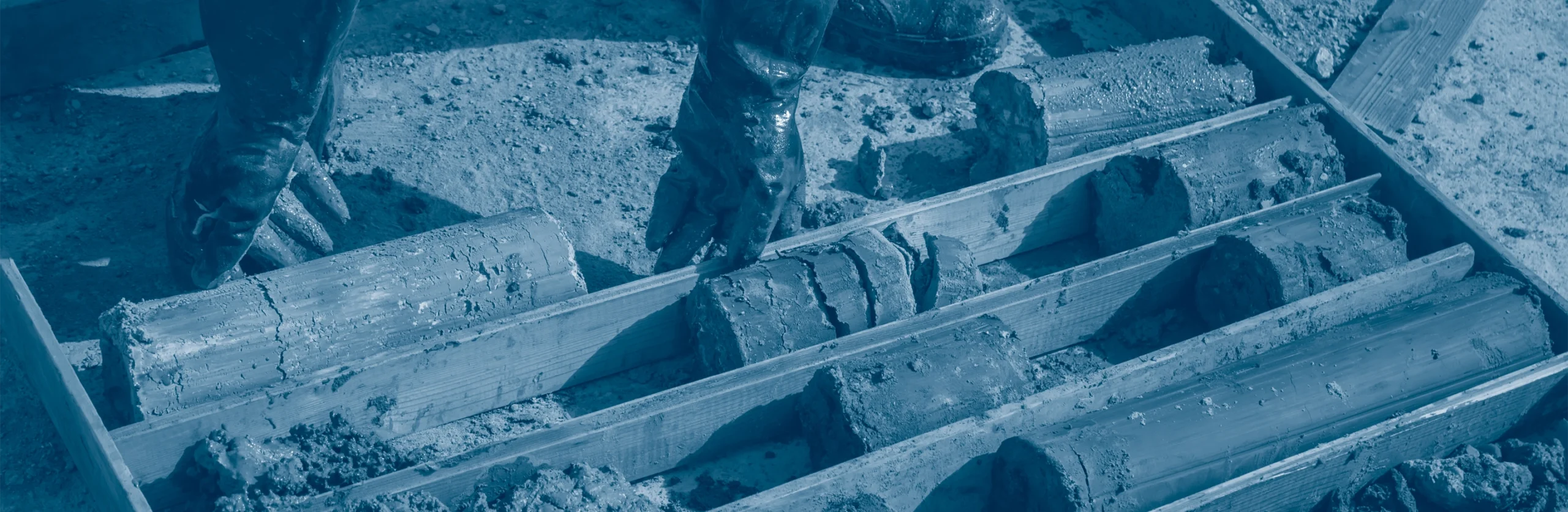
Recovered soil cores are logged and fieldscreened using a PID meter to assess relative organic vapor levels as indicators of potential contamination. Detailed logs document boring locations, depths, soil classifications, PID readings, and observations such as staining, moisture, or odors. Select soil and groundwater samples are preserved, labeled, and submitted to an accredited laboratory under documented chainofcustody procedures for analytical testing.
Laboratory results are reviewed and evaluated against applicable regulatory standards. Findings are compiled into a comprehensive report that includes a narrative summary, scaled site plans identifying sampling locations and areas of concern, photographs, analytical data, and recommendations.
Client Experience
Latest Insights
February 4, 2026
|
1 min read
Navigating Construction Defects: Lessons from a High-Stakes Case
In today’s construction landscape, disputes over defects can quickly escalate into multi-million-dollar claims, putting developers, architects, and insurers under intense scrutiny. At the heart of these cases lies a critical question: Where does liability truly belong?
Is Delay Analysis Science or Art?
After more than thirty years in scheduling and preparing expert reports, I continue to learn something new with each pro...
10 Reasons to Enforce a High Standard of Schedule Quality
High-quality construction schedules can save millions by ensuring credible delay analysis and robust project planning. F...
Navigating Construction Defects: Lessons from a High-Stakes Case
February 4, 2026
|
1 min read
In today’s construction landscape, disputes over defects can quickly escalate into multi-million-dollar claims, putti...
Is Delay Analysis Science or Art?
February 4, 2026
|
1 min read
After more than thirty years in scheduling and preparing expert reports, I continue to learn something new with each ...
10 Reasons to Enforce a High Standard of Schedule Quality
February 4, 2026
|
1 min read
High-quality construction schedules can save millions by ensuring credible delay analysis and robust project planning...