Wade Wilson
Vice President, Accident Reconstruction & Biomechanics
(770) 940-0946


Accessing EDR data is essential for accurate accident investigations and reconstructions. EDRs are installed on most commercial and passenger vehicles produced today and, in many vehicles, dating back as far as 1994. This electronic data can provide pre-crash and post-crash information including speed and delta-v, as well as identifying driver actions, including throttle application, braking, and seatbelt usage. EDRs in newer vehicles can provide even more robust datasets including lateral delta-v, tire pressure, steering inputs, cruise control, stability control, ABS, wheel speeds, accelerations and airbag information.
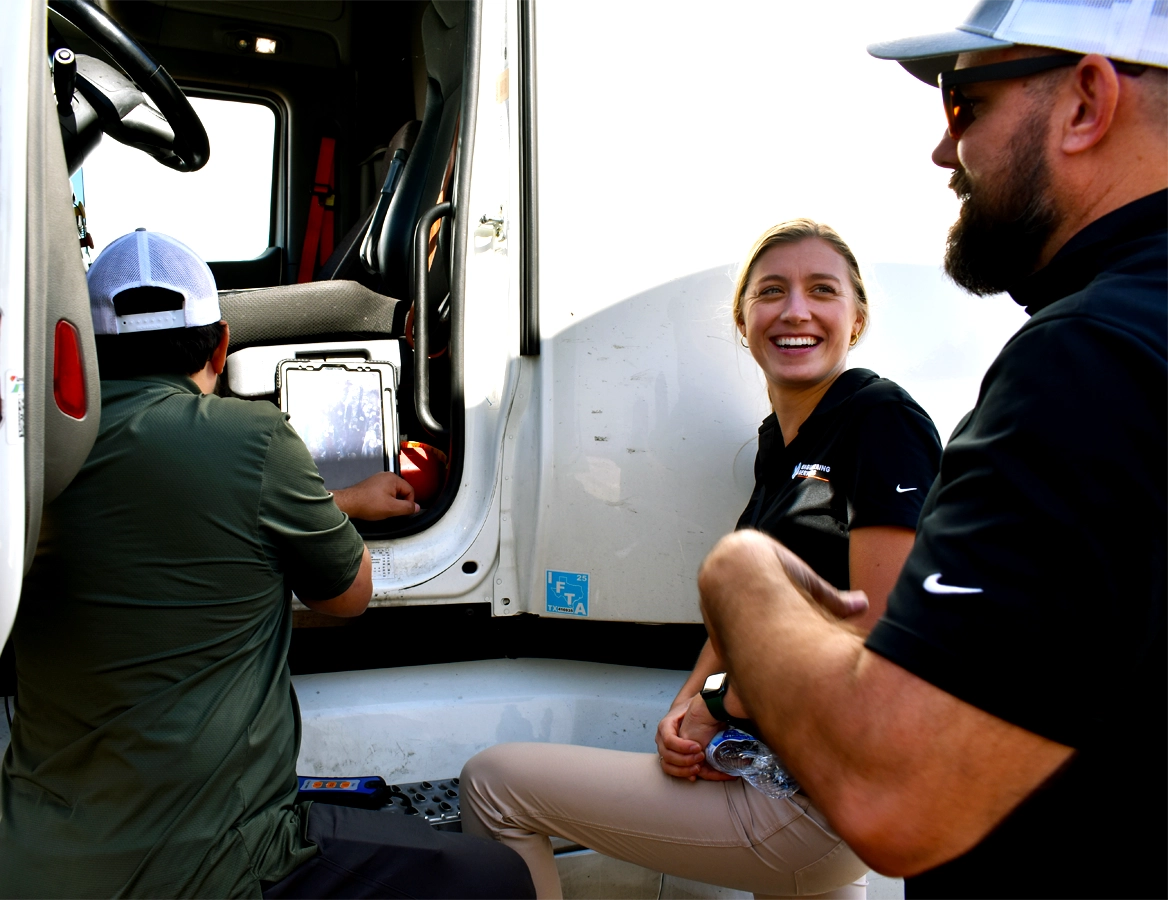
YA combines cutting edge technology with deep expertise to deliver accurate, court-admissible results. Using Bosch, GTI, and Tesla Crash Data Retrieval systems, we extract event data from airbag modules and vehicle systems. Berla iVe accesses infotainment data, including communications and smartphone integration. For heavy trucks, we retrieve data from engine control modules by manufacturers like Detroit Diesel, Cummins, and Caterpillar, capturing system faults, performance, and critical incidents. Brake modules record braking system faults and responses, while radar-based systems such as VORAD provide insights into both the equipped vehicle and surrounding traffic at the time of impact.
Accident data isn’t limited to factory-installed systems—many vehicles use aftermarket tracking and telematics that store critical information. GPS units often record trip details, speed, and coordinates; heavy trucks have electronic recorders and telematics to confirm driver hours, duty status, and location; and video systems like DriveCam and SmartDrive capture driver perspective and vehicle speed seconds before impact.
YA’s experts identify these systems, preserve their data, and integrate it into a comprehensive accident analysis.
