
Wade Wilson
Vice President, Accident Reconstruction & Biomechanics
(770) 940-0946

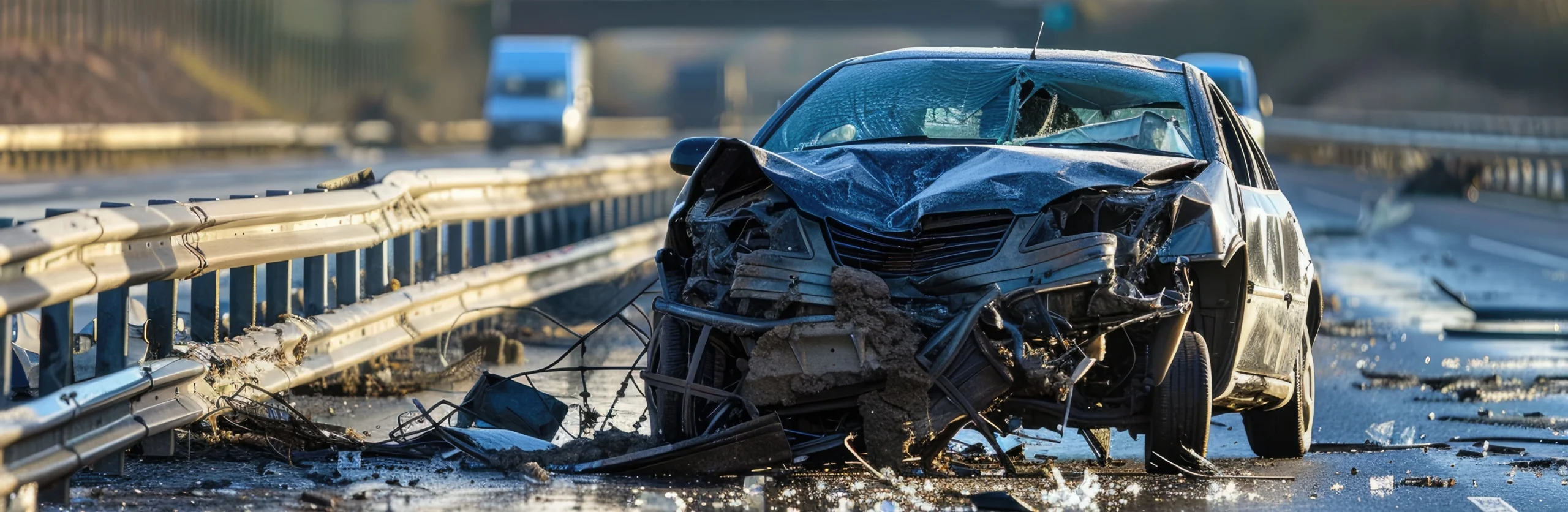
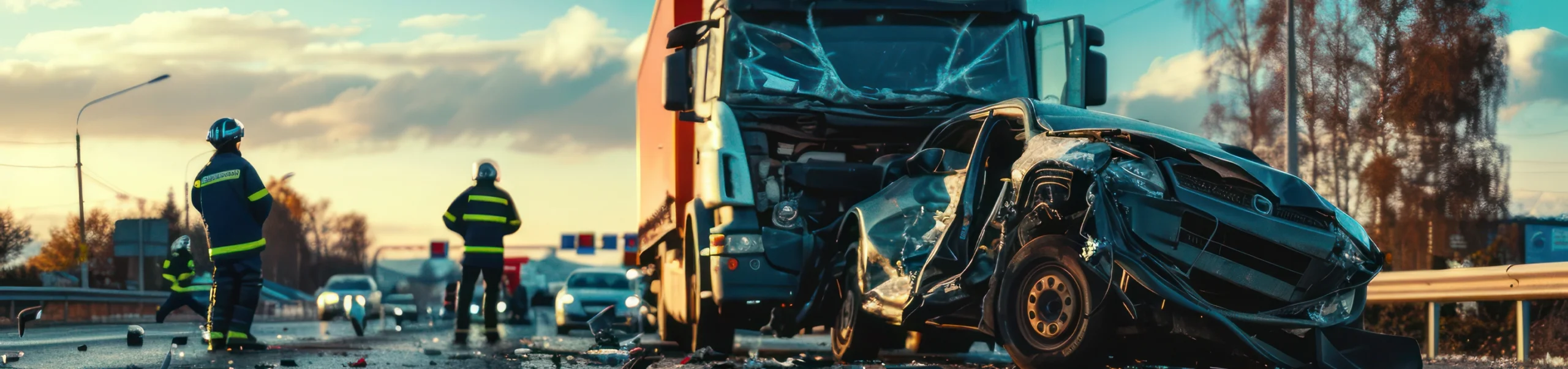
Accident Reconstruction is the scientific process of analyzing a collision to determine what happened, how it occurred, and why. Biomechanics examines how the human body responds to physical forces, allowing experts to evaluate injury mechanisms and injury likelihood. When clients need clear, evidence‑based answers regarding causation, liability, or injury consistency, YA Group provides objective, fact-based analysis they can rely on.
YA specializes in reconstructing complex collisions involving passenger vehicles, heavy trucks, buses, motorcycles, pedestrians, and multi‑vehicle or mixed‑vehicle events. Our engineers and accident reconstructionists draw on deep industry experience in vehicle dynamics, braking, steering, suspension systems, and advanced reconstruction methodologies. We combine field expertise with engineering precision to deliver accurate, defensible conclusions for legal, insurance, and safety‑critical matters.
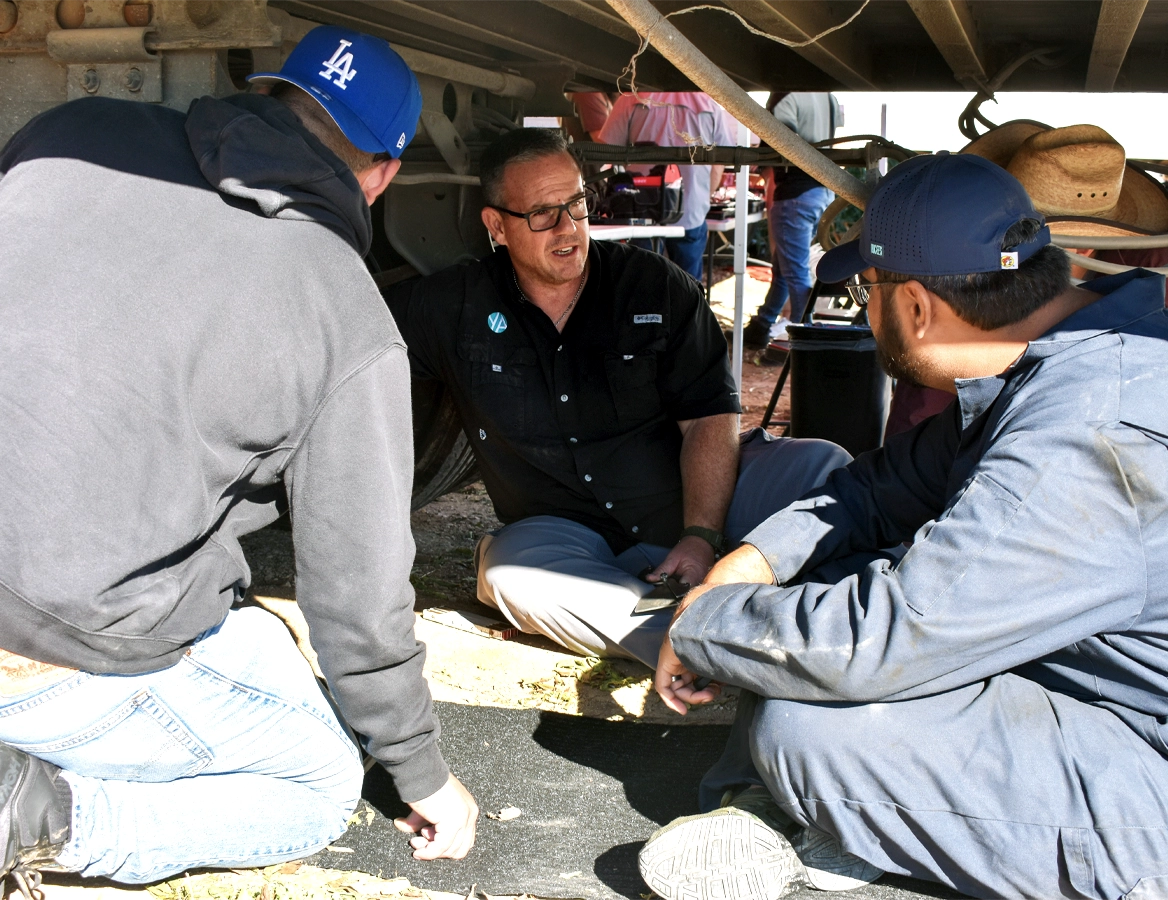
As part of our analysis, we conduct full mechanical inspections of light and heavy vehicles, assessing post‑crash conditions and system performance. Using 3D laser scanning, LiDAR, and photogrammetry, we capture precise vehicle geometry and detailed crush profiles to support accurate damage evaluations.
We also retrieve event data from airbag modules and supported vehicle safety systems using the latest Electronic Data Retrieval (EDR) tools. This information helps reconstruct vehicle speed, braking, steering inputs, and other critical parameters leading up to the impact.
YA Group leverages advanced 3D scanning and aerial imaging technologies as integral components of our reconstruction services. Using Leica and Faro terrestrial scanners, along with drone‑based photogrammetry, we collect high‑resolution 360° captures of collision scenes. This includes roadway gouges, skid marks, debris fields, grade changes, overhead structures, and other critical data.
This comprehensive documentation ensures that crucial physical evidence is preserved and fully available for analysis and for comparison to still photographs, video footage, or additional materials that may surface throughout a case.
